
If you’re looking to add weight to your pull ups, you’ve come to the right place. In this article, we will cover everything you need to know about adding weight to your pull ups, including the best ways to do it and the benefits that come with it. So whether you’re a beginner or an experienced lifter, keep reading for all the information you need on how to add weight to your pull ups!
Adding Weight to Your Pull Ups
When working out, one of the most essential methods of improving is to add weight to the bar. However, merely putting weight on the bar without any skill doesn’t help much.
The effectiveness of your weighted pulls depends greatly on how you do them.

Why
Why would you want to add weight to pull-up exercises, especially if they’re already difficult? Yes – or that adding extra weights to your workout might help you build strength. If push-ups are easy for you (and you are able and ready) and don’t cause any discomfort, adding weights can assist you achieve greater strength.
The purpose is to have additional weight on your back while doing squats or lunges so you can challenge the muscle groups being used.
If you’re unsure about how to begin, consider this: a bodyweight pull up can be accomplished in less than 30 seconds. If it takes longer than that or if you’re not completely comfortable with the position, perform weighted pull ups while resting on your elbows. This allows for greater muscular tension and promotes growth.
It’s also a fantastic method to add variety to your strength training program. The number of repetitions you perform per exercise (e.g., 3 sets of 10), how long you rest between each repetition, or the approach used for performing the repetitions are some examples of primary ways to vary your workout before increasing weights.
Adding weight to your workouts gives you another option, but it also raises an important question.
When
As you become stronger, gradually add weight to your pullups while still focus on explosive movement and maintaining the right form.
Dumbbells won’t help you pull up if you’re only doing strict reps. Adding weights will not assist since they cancel each other out if you compensate for the movements themselves to make the burden easier.
A common question is how many pushups one can do with extra weight. It depends on your form and the amount of weight you’re planning to use. If you want to lose 10 pounds, aim for six to ten pushups per session.
Before beginning any new fitness program, you should always do the best joint-stretching and muscle-strengthening exercises possible. You should begin doing 6+ pull up repetitions with some weight once you can perform 10-12 pull up reps without straining.
Weighted Pull-Ups are Amazing; But You Shouldn’t Force Your Body to Do Them
How
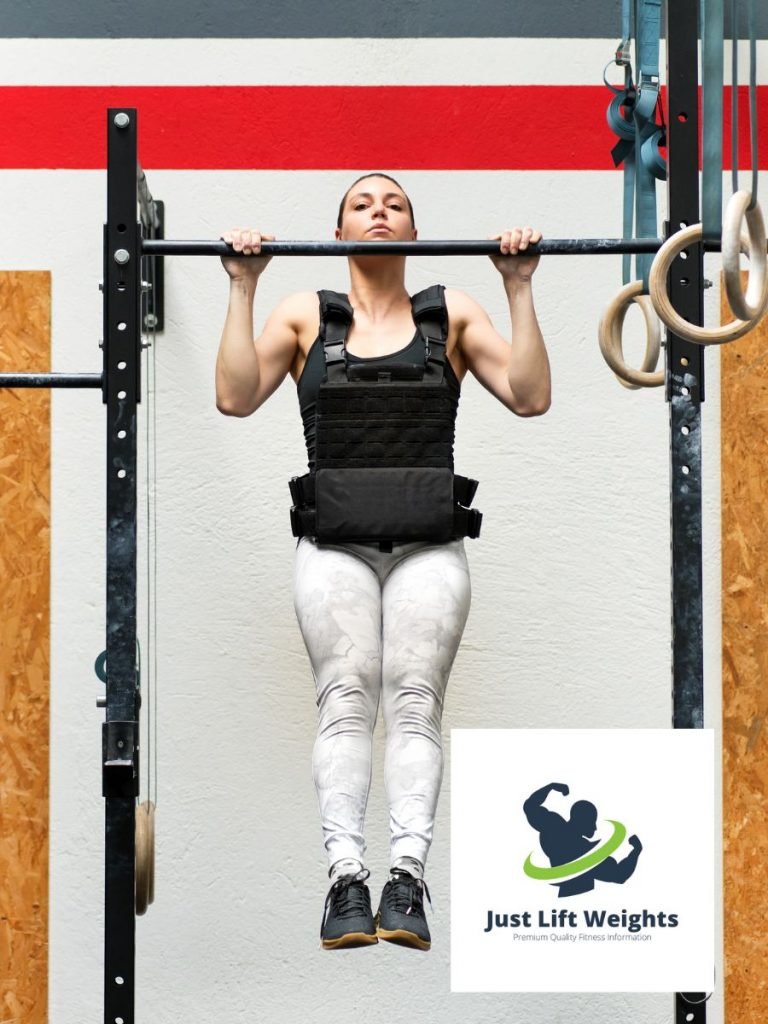
The weighted vests are the best option for adding weight to a pull-up since they don’t change the position of the muscles and you can use the same technique. The issue is that both are pricey and weigh just 15 pounds. This may seem like a lot right now, but after you’ve advanced with weighted pull ups, it will be too light.
There are two types of dumbbells to consider: a regular set and an adjustable set. You need to purchase different weights if you have a traditional set; with the adjustable set, you don’t have to worry about purchasing them separately because they’re already included in the dumbbells.
We don’t advocate one activity over another, but if you’re unsure which exercises are appropriate for you, think about your own needs.
How to Progress Weighted Pull Ups
The goal of weightlifting is to build up the arm and leg strength needed for continuous performance. Weights allow you to target specific muscles groups more efficiently than body weight exercises, however there is a greater risk of joint injury if the movement isn’t done slowly and with complete control.
Increasing your repetitions and sets is an excellent approach to gain strength and tissue resilience. Here’s an illustration of how we recommend increasing the weighted pull ups:
Week 1
- Work out one: Four sets of six reps with 10lbs.
- Work out 2: 3 sets of 6-7 reps with body weight
- Work out three times a week for six weeks: 3 x 5 reps with 10lbs.
Week 2
- Workout two: 3 sets of 8 reps with 10 lbs
- Work out 2:3 sets of 8-9 with body weight
- Work out three times per week for six weeks with 10lbs each time.
Week 3
- Work out one: three sets of ten reps with 10 pounds.
- Do 3 rounds of 4 sets of 8-9 reps with 10 lbs.
- Repeat this 3-week block again after another 10lbs has been lost. This can be done multiple time and offers a method for increasing your weight loss.
Bulkiness provides extra strength so your muscles can handle heavier loads in the future. Also,Technique is improved as a result of the additional bulk because you become more aware of where you need to focus your energy.
Don’t rush yourself into adapting too quickly that you fail before you even start. It’s preferable to advance gradually than to fail prematurely.

Our final thoughts
The Pull Up is a basic exercise for using a wide variety of muscles in the upper body, including the shoulders, arms, chest, triceps, biceps, and abs. When doing the movements correctly, it’s critical to use weight.
Adding weight to your pull-ups is important, but you have to do it gradually as soon as your technique allows.
Weighted pushups, pullups, dips, squats, lunges, and core work all help you build strength, endurance, and muscle tone. You may get the same benefits at any time and place with the correct equipment. The Pull Up Mate and Pull Up Mate 2 are durable, versatile tools that allow for a lot of customization. They’re ideal for anybody looking to spice up their fitness routine with a little extra fun.
Frequently Asked Questions About Weighted Pull Ups
What Are Weighted Pull-ups?
Weighted pull-ups are an excellent workout for those looking to add strength and muscle. By adding weight to your body, you make the exercise more difficult and cause yourself to see results much quicker.
If you want to get the most out of your weighted pull-ups, use a weight that is challenging but allows you to do all reps with good form. If your form starts declining, it’s time to lower the weight. Microloading (adding or removing small amounts of weight) is a great way makes sure you’re always challenged without going beyond what you can handle.
If you have never done weighted pull-ups before, start by using your body weight for resistance. As you get stronger, add more weight in small amounts until you reach the desired amount of resistance.
How To Do Weighted Pull-Ups With Proper Form?
If you want to achieve an effective workout and avoid injury, follow these tips for how to do weighted pull-ups with proper form:
1. Begin by holding a dumbbell in between your feet, and grasp the pull-up bar with an overhand grip (palms facing away from you).
2. As you exhale, use your abdominal muscles to curl your legs up towards your chest, and then tuck themunderneath the dumbbell. This will help stabilize your body throughout the exercise.
3. Inhale as you slowly let your legs back down to the starting position.
Remember to keep your shoulders down and back, and engage your core throughout the exercise. If you feel any pain or discomfort at any time, stop immediately and consult a doctor or certified personal trainer.
Should You Use A Dumbbell or Belt For Weighted Pull-ups?
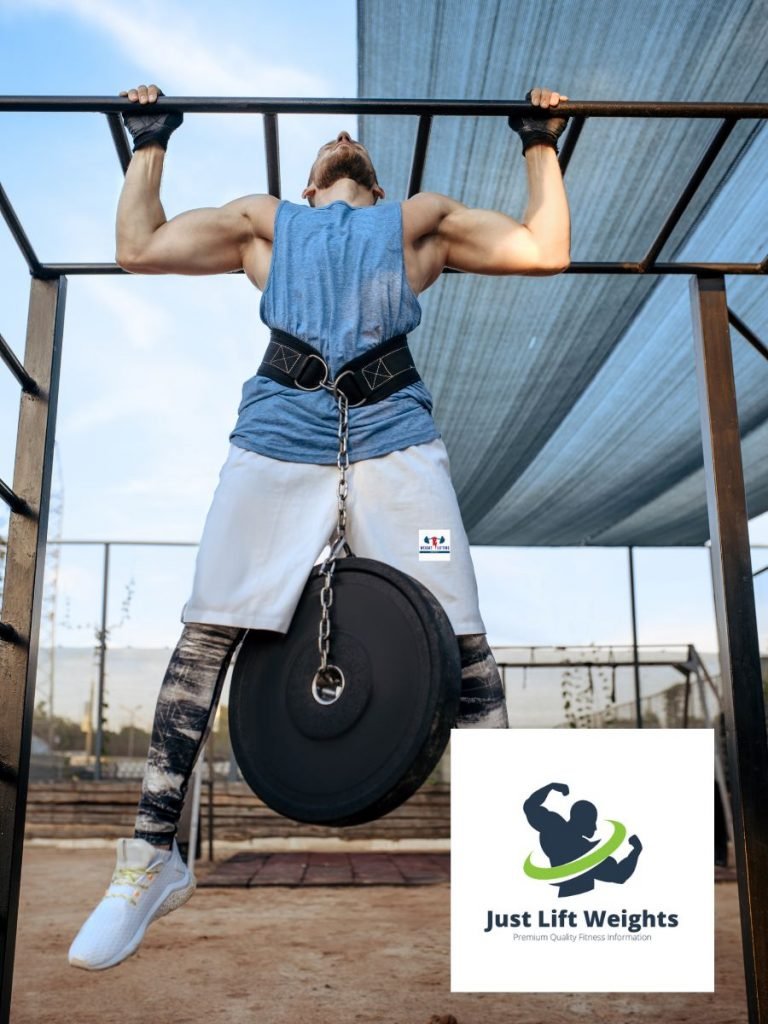
The device you use while working out – whether it be a weightlifting belt or dumbbell – should depend on your goal. For example, if you want to increase the pounds you can lift, go for the belt; however, If refining your form and maximizing back muscle output is key for you, pick up a dumbbell instead.
Why You Should Do Weighted Pull-Ups Even If You Can’t Do Many Without Weight?
Weighted pull-ups are a fantastic way to boost your upper body strength. Even if you can’t complete many unweighted pull-ups, you should give them a go with some added weight.
The advantages of weighted pull-ups are numerous. They aid in the development of muscle, strengthening of the back and shoulders, and better posture. They may also assist with grip strength and reduce the risk of injuries.
Weighted pull-ups are a great way to add muscle mass to your upper body. The added weight will make your body work harder, leading to more muscle growth. If you’re looking to build some extra size and strength, then weighted pull-ups should be a part of your workout routine.
Weighted pull-ups are beneficial for a variety of reasons, not the least of which is that they increase muscle mass. The back and shoulders may be strengthened by this technique since you’re employing these muscles to lift the weight. Muscles that are stronger will lead to improved posture and a reduced risk of injury.
How Do You Make Pull-ups Harder?
You can make pull-ups more difficult in various ways. Two popular methods are using a weight belt and negative rep pulls ups. The former adds resistance, while the latter lifespan creates difficulty by resisting when lowering back down from the bar after you’ve pulled yourself up.
Adding a thicker bar to your pull-up routine can also be effective. This will make your muscles work harder in order to grab the bar. Finally, try “clapping” pull-ups. This involves exploding off the bar and clapping your hands together before catching yourself and repeating the process. This is an extremely challenging variation of the pull-up that should only be attempted if you are very good at it.
Are Weighted Pull-ups Effective?
Yes, weighted pull-ups are a great way to strengthen your back and biceps. You make the exercise more difficult and intensify it by adding weight. This may help you gain muscle faster by making the training more challenging.
Start with a weight that is comfortable for you and gradually build up as your muscles get stronger. Keep in mind that overloading your muscles might result in injury. It’s critical to start slowly and build up gradually, just as when starting any new activity.
How Many Pull-Ups Can Navy SEALS Do?
The average Navy SEAL can do 20-30 pull-ups without a break, but the truly elite athletes can do 50 or more in one session. However, the number of pull-ups that a Navy Seal can do is only a testament to their overall physical fitness and conditioning – after all, Seal training is grueling and demanding, so being able to perform lots of pull-ups is just one small part of what makes them so special.
How Much Of Your BodyWeight Do You Lift In A Pull-up?
If you’re new to pull-ups, start by lifting 50% of your bodyweight. As you get stronger, you can increase the amount of weight you lift.
I would recommend that somebody who is trying to get fit should lift at least 75% of their bodyweight. And for those looking for a challenge, they can try lifting their entire bodyweight! Your goals and how much you can lift ultimately decides what program is right for you.
How Many Reps Of Weighted Pull-ups Should I Do?
In my opinion, you should perform 8-12 repetitions of weighted pull-ups. This will assist you in gaining the muscle strength and endurance needed to do the exercise correctly.
Maintaining form is significant so that you don’t get hurt.
Do Weighted Pull-Ups Help With Muscle Ups?
Although weighted pull-ups will help you with muscle ups, don’t forget that practicing regularly is key to becoming good at the move. The weights will only supplement your practice and make it easier to perform a muscle up; they won’t replace regular practice sessions.
Do Weighted Pull-Ups Build Biceps?
Weighted pull-ups are a fantastic way to develop your biceps! You’re putting more stress on the muscles and forcing them to work harder by adding weight. This can lead to greater strength and muscle bulk.
To attempt a weighted pull-up, you must first strap a weight to your waist. You have the option of using a dumbbell, weight plate, or even filling up a backpack with books. If this is your first time trying, begin with something light and build up from there as you get stronger.
Make careful to maintain a straight back throughout the whole movement and maintain good form. When you’ve reached the top of the movement, pause for a second before lowering yourself back down slowly. Repeat this motion until you reach failure.
Do Weighted Pull-Ups Build Lats?
Weighted pull-ups are an excellent exercise for building your lat muscles. They work more muscle fibers than unweighted pull-ups, and they place a greater demand on your lats.
When performing weighted pull-ups, choose a weight that is challenging but not detrimental to your form. Throughout the whole set, you should be able to keep good form. If your form begins to deteriorate during a repetition, the weight is too heavy and you should reduce it.
How Many Pull-Ups Can The Average Male Do?
Although the average male can only do 5-10 pull-ups, with practice and proper form, most should be able to achieve more.
Improving your form is the best place to start if you want to increase pull-ups. Check that you’re using a full range of motion and pulling yourself until your chin reaches the bar. When your technique is good, focus on building muscle with exercises like chin-ups and pull-ups. cardio will also help by increasing strength and endurance overall.